
I have wanted a diesel heater on Fiddler from day one. Although I have been relatively happy with the current reverse cycle heating and air conditioning, the drawback is that it runs on AC only. I have to be plugged into shore power or running the generator in order to use it. That is fine if I am at a marina. However, running the generator at anchor is loud and run times are usually limited to certain hours so nearby boaters can enjoy the quiet anchorage. Thus, by installing a diesel heater, I can expand boating opportunities into the cooler weather, be a good anchor neighbor, and best of all be warm.
There are two basic types of diesel heaters: hydronic and forced air. In a hydronic system, a boiler heats liquid and it is distributed throughout the boat to small heat exchanger/fans in each area to be heated. These are very effective and expensive, even to self-install. The forced air heater heats the air and blows it through ducting to the areas to be heated. I opted for the forced air version due to lower cost and ease of installation.
The Wallas Spartan is the largest heater they make, rated for a 40’ boat. Fiddler is 46’, but I don’t need to heat it all. However, it performs well heating the main living areas and the rest of the boat benefits from the ambient heat. Wallas heaters are quiet and safe, able to be installed in lockers, cabinets, behind furniture, or the engine room. The installation must meet the requirements for exhaust, fresh air intake, location of the unit, and location to the fuel source to be safe and most effective.
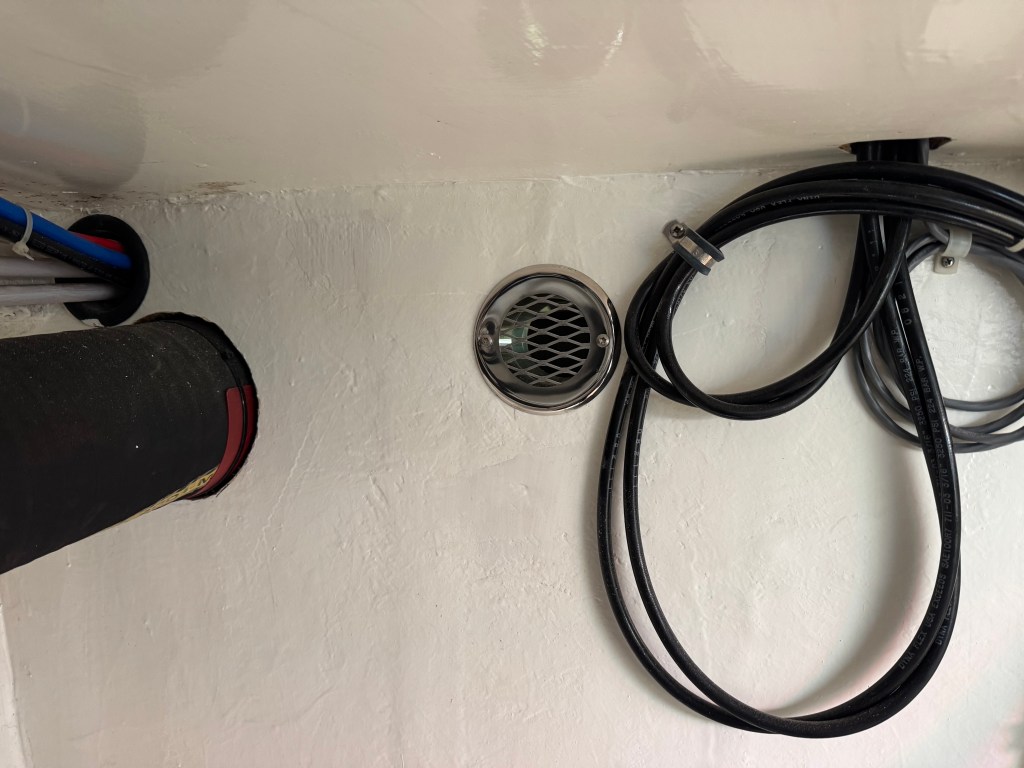
Finding a location to meet the exhaust requirements was the deciding factor on where to locate the unit. The exhaust port must be located a couple of feet above the water line, away from any fuel fills, and on the back half of the boat behind the widest point. The exhaust hose must either slope down to the port or have a loop to prevent water intrusion to the unit, and be less than six feet in length. I found a space under the galley sink where the outside wall of the cabinet led to an open space under the hull steps from the bow that provided access to the hull in a location that met the installation requirements. I think that is the only location on the boat that will meet them.


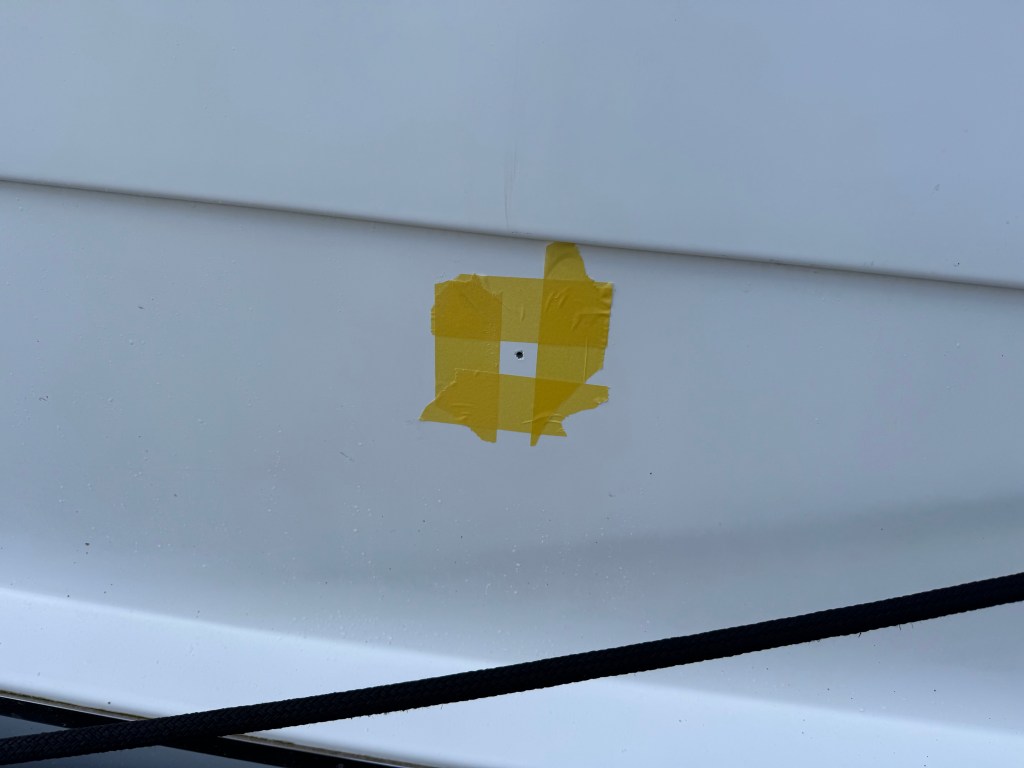
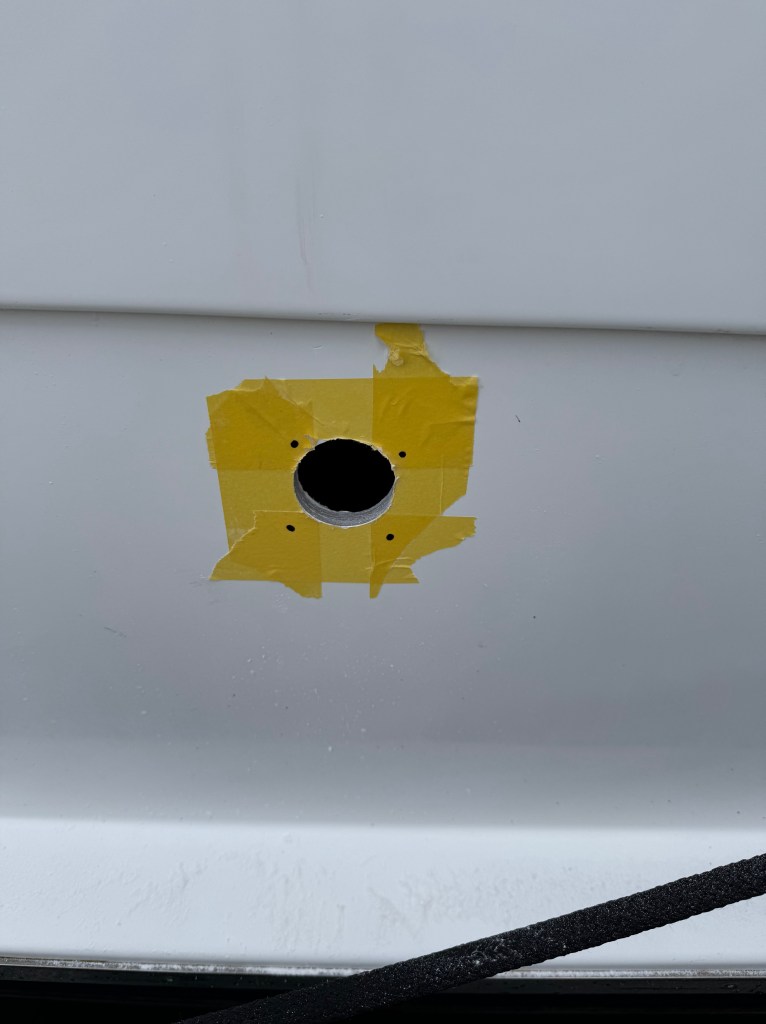
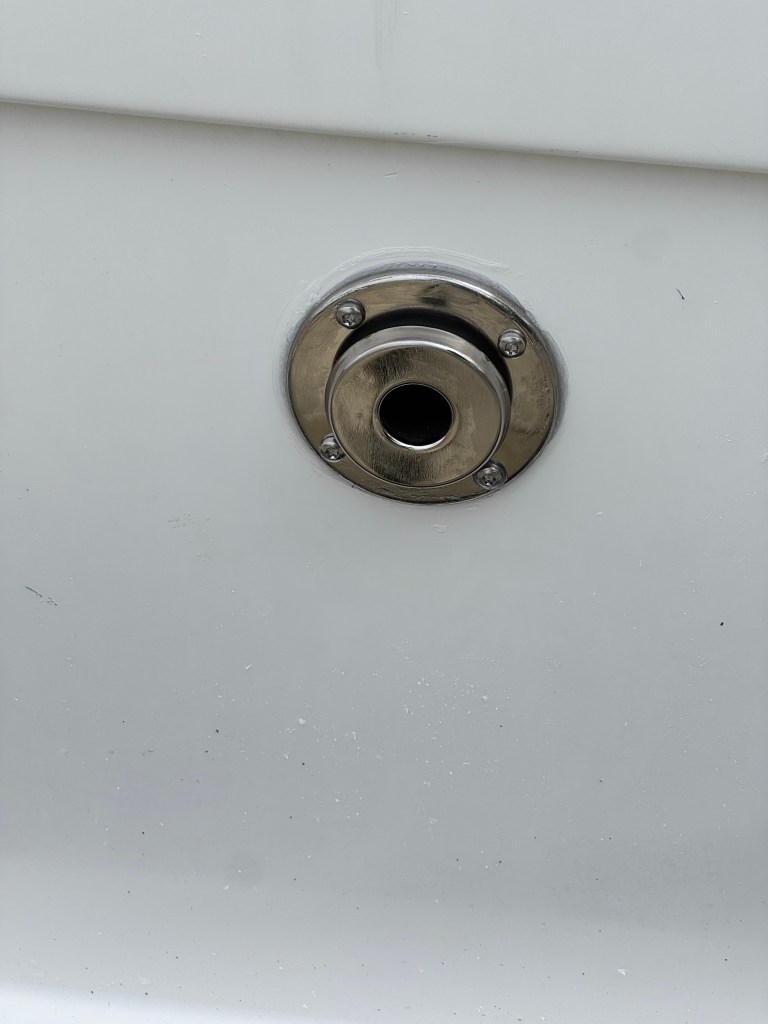
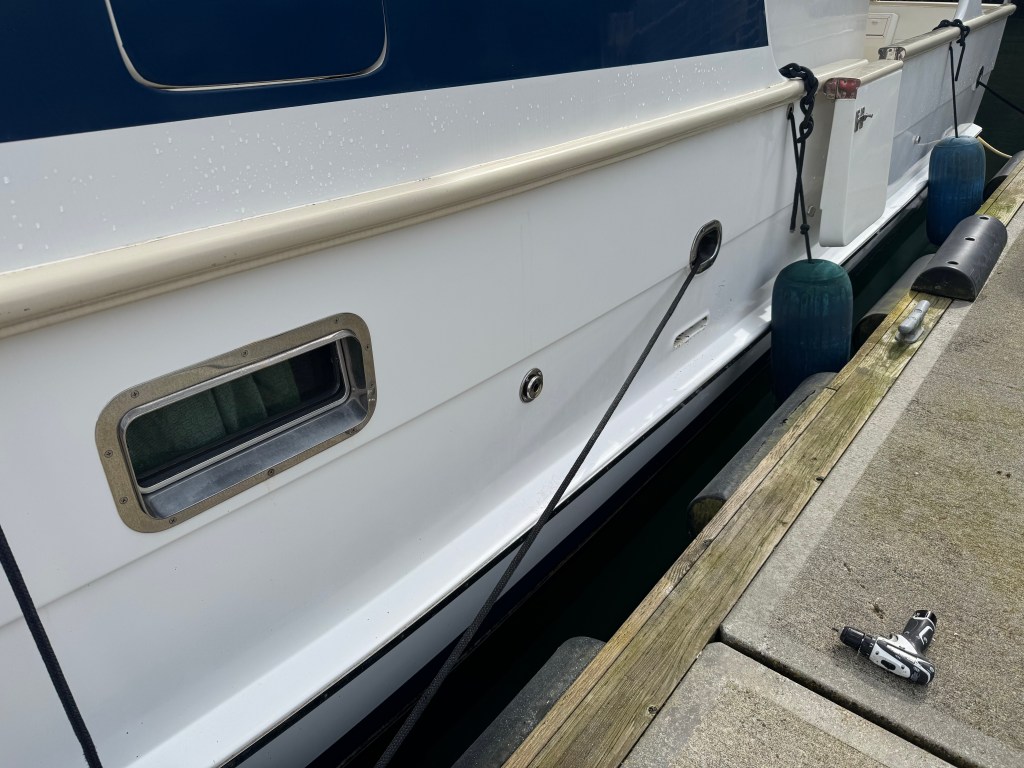
Next I installed the fresh air intake. I ran ducting from the cabinet, down into the engine room, and out the lazarette. The unit can be used to circulate fresh air without heat, and also provides fresh air to the unit for heating.

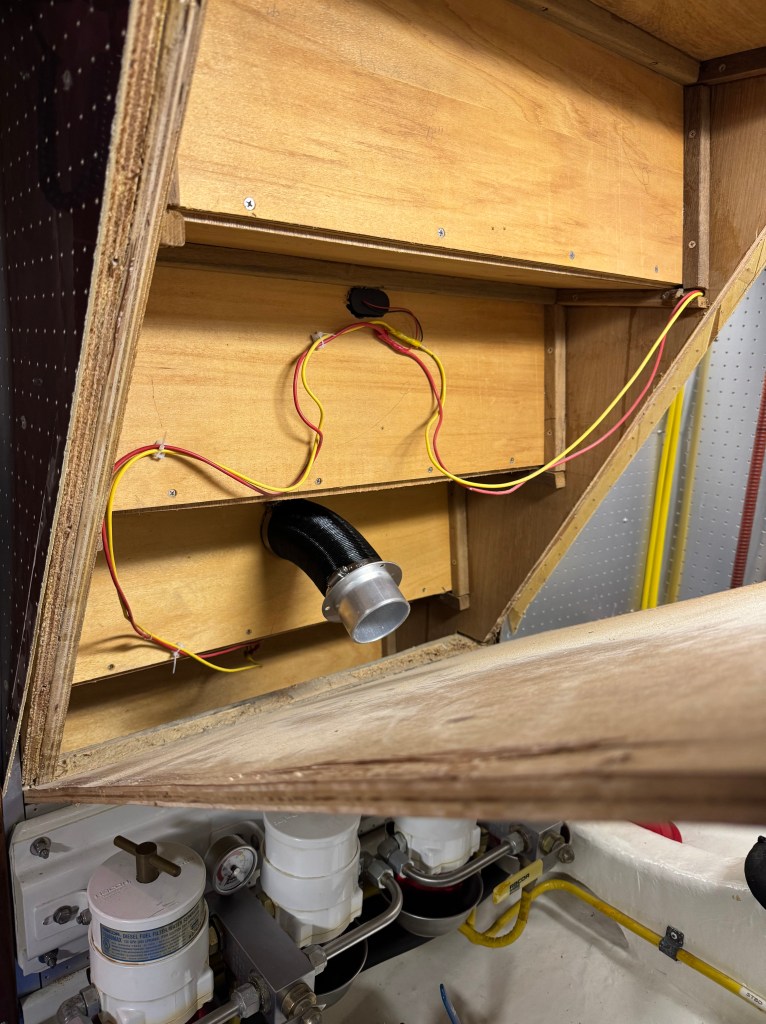
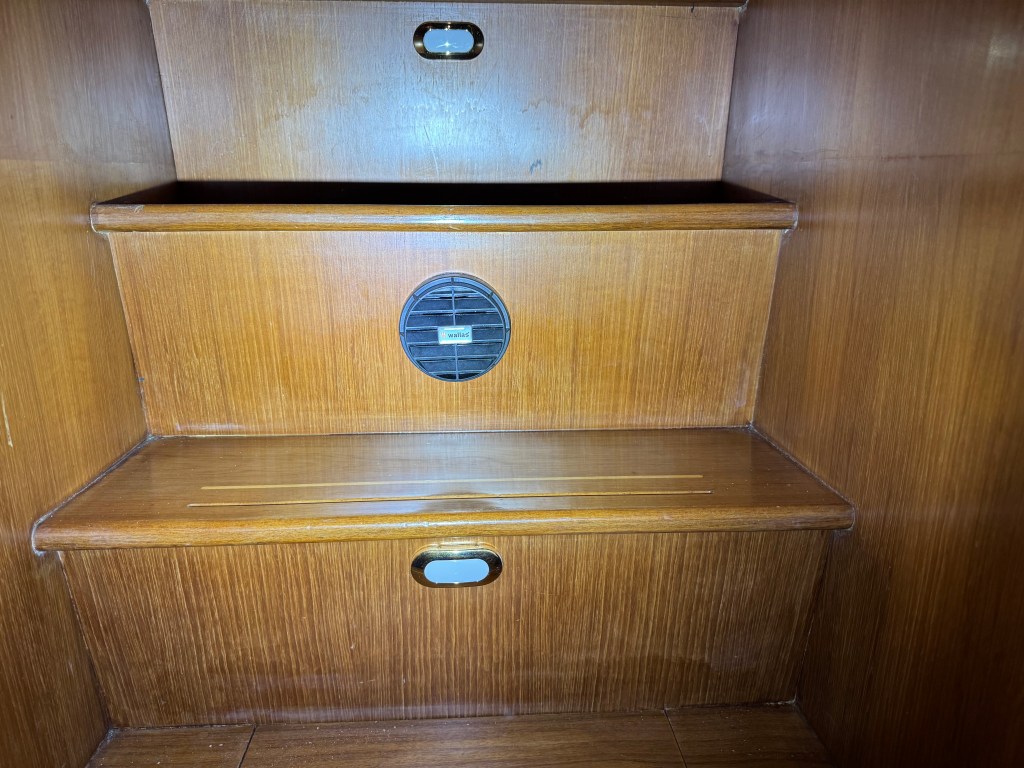
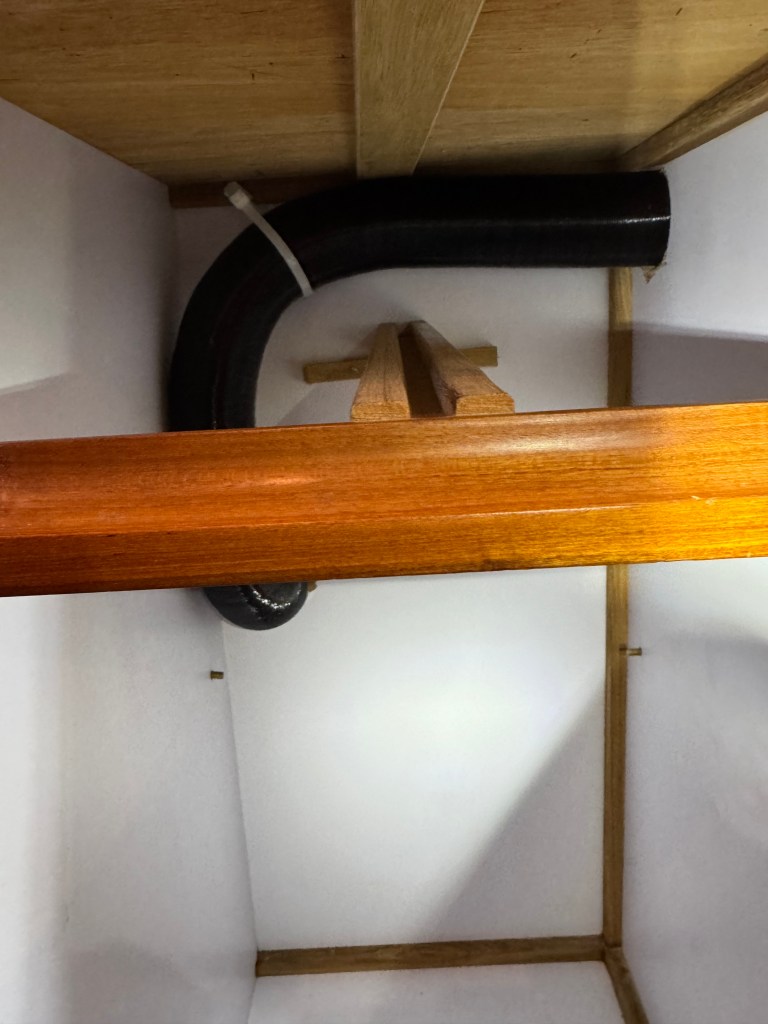
There are three warm air ducts. From the cabinet, one exits through the bottom into the engine room and terminates in the steps that lead down to the lower level staterooms. This provides a moderate amount of heat to the lower level. The other two warm air ducts terminate in the salon and galley, one routed under the counter and in the rear area of the drawers and cabinets. Two drawers had to be shortened by a couple of inches to make room for the ducting. The other duct goes directly to the toe kick in front of the galley sink.





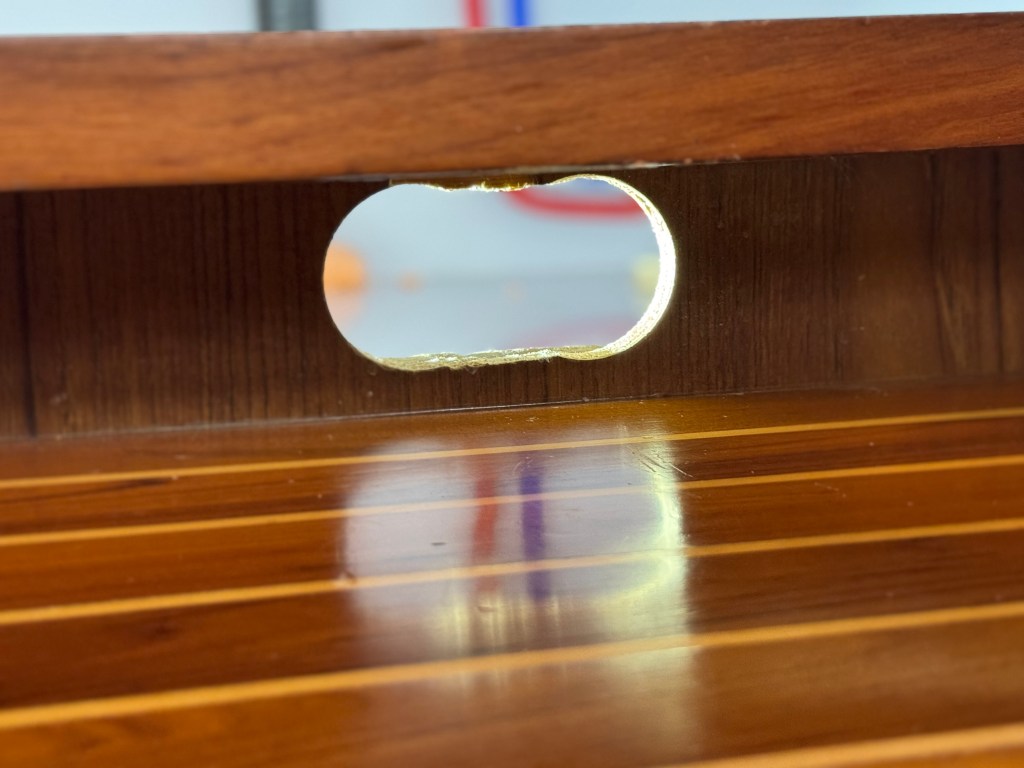
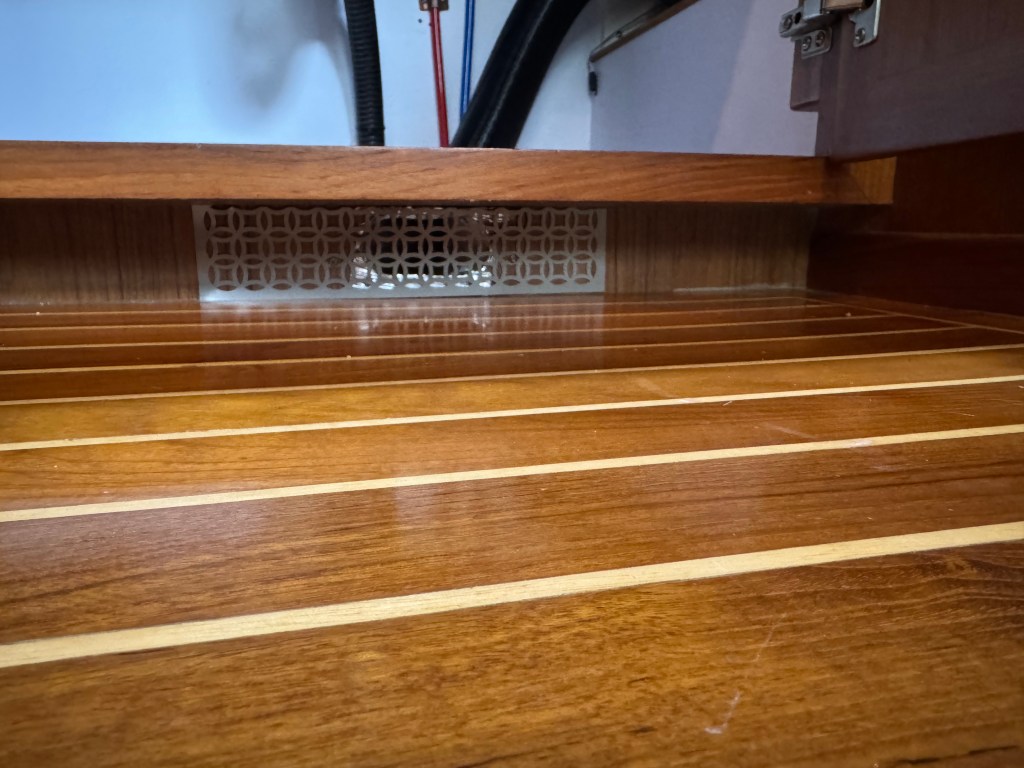

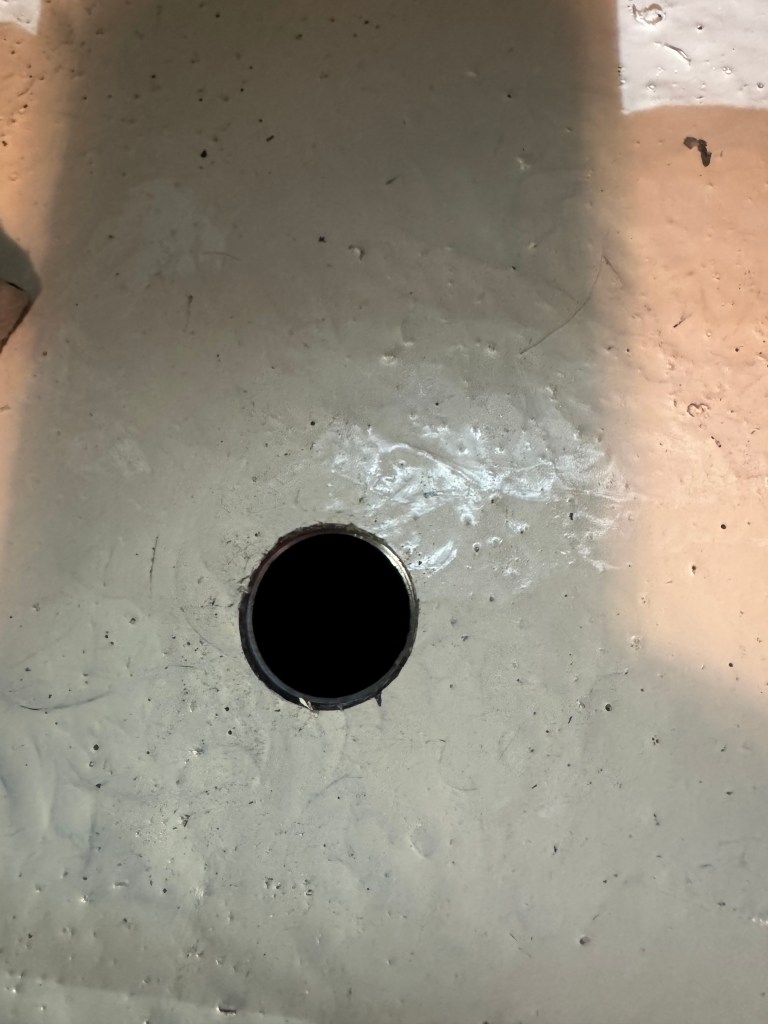
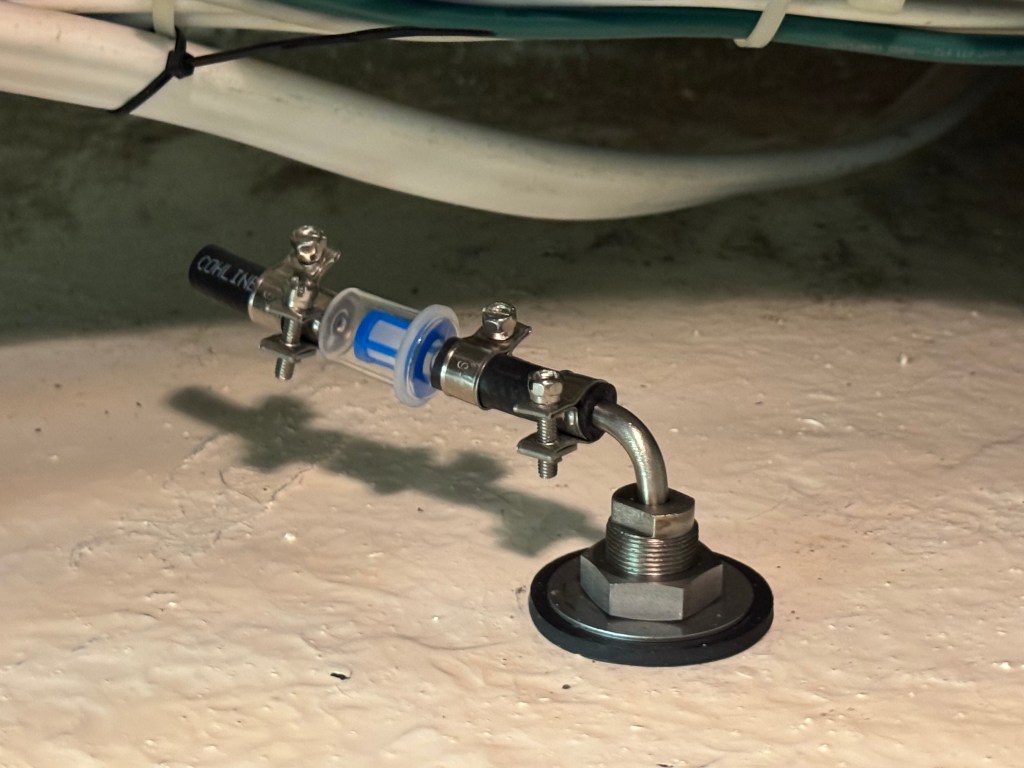
Finished with the exhaust, fresh air ducting, and warm air ducting, I need to drill a hole into the diesel fuel tank for the fuel feed. The fuel tank is made of mild steel so it isn’t hard to drill through. Once the one inch hole was drilled, I installed the tube, hosing, and fuel filter. The unit is located directly above the fuel tank so the fuel lift is minimal and well within spec.
The last steps were to insulate the warm air ducting, install the control panel, and hook up the power. The control panel wiring is plug and play and I simply mounted the control unit in an accessible area near the unit and plugged it in. The power connects to the DC positive and negative busses located in the engine room. It draws power from the house battery bank. Very simple. To cover the access hole, I used a piece of starboard and installed pass-throughs for the exhaust, fresh air duct, power cables, and fuel line.

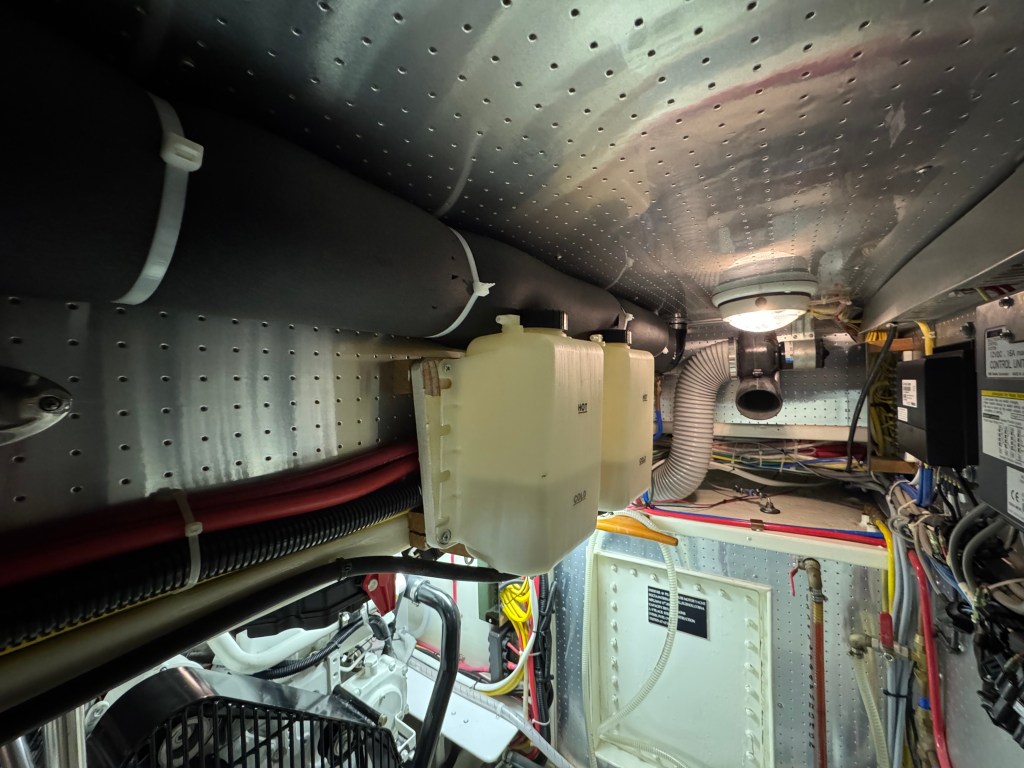


The only thing left to do was to turn it on and see if it works. The unit works great and has a fresh air only function, a six speed manual fan, and an automatic thermostatic function. The temperature is measured by a thermostat that is mounted on the salon wall and wirelessly connects to the unit. The heater can be accessed wirelessly via a phone app, making it convenient to warm up the boat before I get up or before I go to the boat.
Finally I have diesel heat!
 Fiddler
Your attention to detail makes me want to be a better man, Dale! Very nice.
LikeLike